
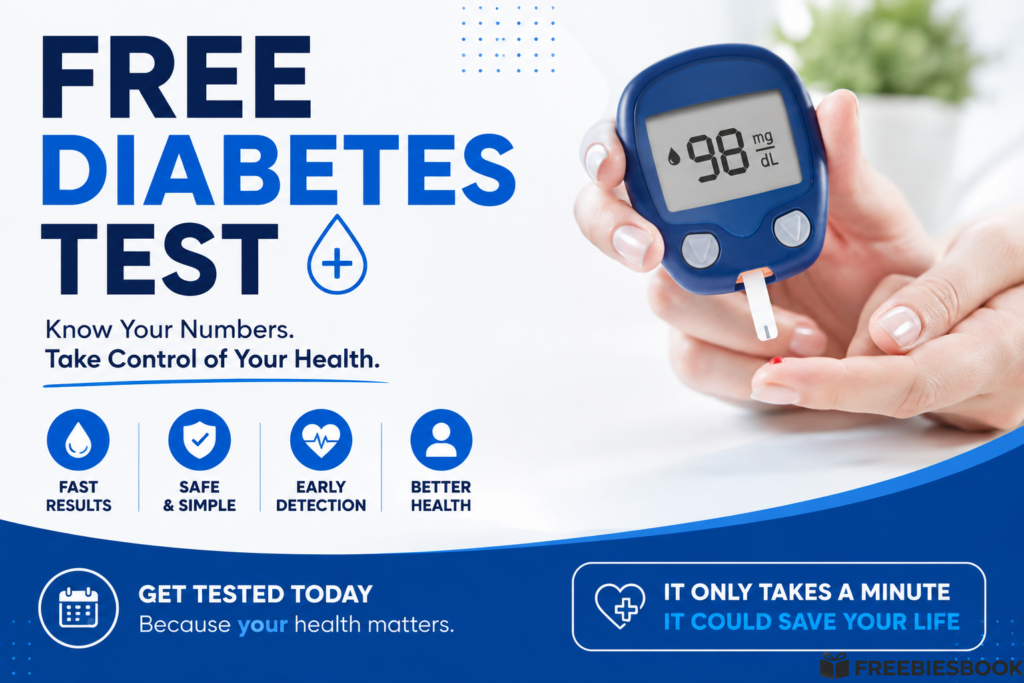
Why It Is Worth Taking a Diabetes Test
Diabetes is one of the most common chronic health conditions worldwide, and many people may have elevated blood sugar without knowing it. This is especially true in the early stages of type 2 diabetes, when symptoms can be mild or completely absent. A diabetes test is a simple way to check blood glucose levels and identify potential problems at an earlier stage. Understanding why diabetes testing is important can help people make more informed decisions about their health.
Early Detection Can Make a Difference
One of the main reasons to take a diabetes test is early detection. Type 2 diabetes can develop gradually, and a person may feel healthy even when blood glucose levels are higher than they should be.
Identifying elevated blood sugar early gives you an opportunity to speak with a healthcare professional and take appropriate action. Depending on the results, this may include lifestyle changes, additional testing, regular monitoring or medical treatment.
Early awareness can be particularly valuable because prolonged high blood sugar may increase the risk of health complications affecting the heart, blood vessels, kidneys, eyes and nerves.
Diabetes Does Not Always Cause Symptoms
Many people associate diabetes with obvious symptoms such as excessive thirst or frequent urination. However, diabetes does not always produce noticeable warning signs.
A person can have prediabetes or type 2 diabetes and feel completely normal. This is why diabetes screening can be useful even when you do not have symptoms, particularly if you have risk factors for the condition.
A simple blood glucose test can provide information that cannot always be obtained by simply paying attention to how you feel.
Know Your Blood Sugar Level
Knowing your blood sugar level gives you a better understanding of your current health. Blood glucose testing can help identify whether your results are within a healthy range or whether further medical evaluation may be appropriate.
Different diabetes tests measure blood glucose in different ways. Healthcare professionals may use fasting blood glucose, an A1C test or an oral glucose tolerance test depending on the circumstances.
A single result does not always provide a complete picture, and abnormal results may require confirmation or additional testing. A healthcare professional can explain what your results mean in the context of your overall health.
Find Out If You May Have Prediabetes
Diabetes testing can also help identify prediabetes. Prediabetes means that blood glucose levels are higher than normal but not high enough to meet the diagnostic criteria for diabetes.
Prediabetes is important because it can indicate an increased risk of developing type 2 diabetes in the future. For some people, identifying prediabetes provides an opportunity to make meaningful lifestyle changes and discuss prevention strategies with a healthcare professional.
Knowing your blood sugar status can therefore be useful even before diabetes develops.
Understand Your Risk
Diabetes risk can be influenced by several factors, including family history, age, physical inactivity, excess body weight and a previous history of gestational diabetes. Certain health conditions and medications can also affect diabetes risk.
Having one or more risk factors does not mean that you will develop diabetes. However, it may make regular screening particularly important.
A diabetes test can provide useful information and help you discuss your individual risk with a doctor or another qualified healthcare professional.
Support a Healthier Lifestyle
Taking a diabetes test can be a useful starting point for improving your health habits. If your blood glucose results indicate an increased risk, a healthcare professional may recommend changes involving nutrition, physical activity, weight management or other aspects of your lifestyle.
Regular physical activity and a balanced diet are important components of overall health and can also help reduce the risk of type 2 diabetes for many people.
Testing can provide motivation to pay closer attention to your health rather than waiting until symptoms appear.
Protect Your Long-Term Health
High blood sugar that remains untreated for a long period can contribute to serious complications. Diabetes can affect the cardiovascular system, kidneys, eyes and nerves.
The goal of diabetes testing is not to create unnecessary worry. Instead, testing can provide information that allows potential problems to be identified and addressed appropriately.
When diabetes is diagnosed, effective management can help reduce the risk of many long-term complications.
Who Should Consider a Diabetes Test?
Diabetes testing may be particularly important for people who have risk factors for type 2 diabetes or who have been advised to undergo screening by a healthcare professional.
People experiencing possible symptoms of diabetes should also speak with a healthcare professional. Potential symptoms can include increased thirst, frequent urination, unexplained weight loss, fatigue and blurred vision.
Testing recommendations vary depending on age, medical history and individual risk. Your doctor can advise how often you should be tested.
Is a Diabetes Test Difficult?
Many diabetes tests are straightforward and require only a blood sample. Depending on the type of test, the sample may be taken after fasting or under other specific conditions.
Some people also use home blood glucose meters to monitor their blood sugar. However, home monitoring should not be confused with formal diagnostic testing. If you are concerned that you may have diabetes, professional medical evaluation is the safest approach.
A Simple Test Can Provide Important Information
One of the biggest advantages of diabetes testing is that it can provide valuable information before a person develops noticeable health problems. Instead of guessing whether your blood sugar is healthy, testing allows you to obtain an objective measurement.
If your result is normal, it can provide reassurance while still allowing you to remain aware of your future risk. If the result is abnormal, it provides a reason to seek professional advice and determine whether additional testing is necessary.
Conclusion
There are many reasons why taking a diabetes test can be worthwhile. Diabetes can develop without obvious symptoms, particularly in its early stages, and testing can help identify elevated blood sugar before complications develop.
Knowing your blood glucose level can help you understand your health, recognize potential risk, identify prediabetes and take appropriate action when necessary. For people with risk factors or possible symptoms, diabetes screening can be an especially important part of preventive healthcare.
A diabetes test is not a substitute for professional medical advice, but it can be an important first step toward greater awareness of your health. If you are concerned about diabetes or your blood sugar level, speak with a qualified healthcare professional about whether testing is appropriate for you.
Medical disclaimer: This article is provided for general informational and SEO purposes and does not constitute medical advice, diagnosis or treatment. Diabetes testing and interpretation of results should be discussed with a qualified healthcare professional.
Diabetes: Understanding the Causes, Symptoms, Types, Prevention and Management
Diabetes is a chronic health condition that affects the way the body regulates blood glucose, commonly known as blood sugar. Glucose is an important source of energy for the body’s cells, but maintaining healthy blood sugar levels is essential for overall health. When diabetes develops, the body either does not produce enough insulin, does not use insulin effectively, or both. Without proper management, persistently elevated blood glucose can affect blood vessels, nerves, the kidneys, eyes, heart and other organs.
Diabetes is a widespread condition that can affect people of different ages and backgrounds. Although some forms of diabetes cannot currently be prevented, many factors related to type 2 diabetes can be influenced through healthy lifestyle choices. Understanding diabetes, recognizing its symptoms and receiving appropriate medical care can help people manage the condition and reduce the risk of complications.
What Is Diabetes?
Diabetes occurs when the level of glucose in the blood becomes too high. Normally, the pancreas produces a hormone called insulin. Insulin helps glucose move from the bloodstream into cells, where it can be used for energy.
When insulin is absent, insufficient, or ineffective, glucose remains in the bloodstream instead of entering cells efficiently. Over time, high blood sugar can damage tissues and blood vessels.
Diabetes is not simply a condition caused by eating too much sugar. Different types of diabetes have different causes, and genetics, immune-system activity, body composition, age, pregnancy, medications and lifestyle factors can all play a role.
Main Types of Diabetes
There are several types of diabetes, but the three major forms are type 1 diabetes, type 2 diabetes and gestational diabetes.
Type 1 Diabetes
Type 1 diabetes is an autoimmune condition in which the body’s immune system attacks the insulin-producing beta cells of the pancreas. As a result, the body produces little or no insulin.
Type 1 diabetes can develop during childhood, adolescence or adulthood. People with type 1 diabetes require insulin to survive. The condition is not caused by eating sugar or by a lack of willpower, and it cannot currently be prevented through ordinary lifestyle changes.
Type 2 Diabetes
Type 2 diabetes is the most common form of diabetes. It generally develops when the body’s cells become less responsive to insulin, a condition known as insulin resistance. The pancreas may initially compensate by producing more insulin, but over time insulin production may become insufficient to maintain normal blood glucose levels.
The risk of type 2 diabetes can be influenced by several factors, including family history, age, excess body weight, physical inactivity and certain metabolic conditions. However, type 2 diabetes can also occur in people who do not have obvious risk factors.
Treatment may include lifestyle changes, blood glucose monitoring, oral or injectable medications, and sometimes insulin.
Gestational Diabetes
Gestational diabetes develops during pregnancy in people who did not previously have diabetes. Pregnancy naturally causes changes in hormones and insulin sensitivity, and in some people these changes result in elevated blood glucose.
Gestational diabetes often disappears after pregnancy, but having it can increase the future risk of developing type 2 diabetes. Proper prenatal care, screening and medical follow-up are therefore important.
Common Symptoms of Diabetes
Some people with diabetes have noticeable symptoms, while others may have few or no symptoms, particularly during the early stages of type 2 diabetes.
Common symptoms may include increased thirst, frequent urination, increased hunger, unexplained weight loss, tiredness, blurred vision and slow healing of cuts or wounds. Some people may also experience recurrent infections or changes in the sensation of their hands and feet.
Symptoms can vary significantly depending on the type of diabetes and how high blood glucose levels are.
Very high blood glucose can cause serious symptoms. In particular, people with type 1 diabetes can develop diabetic ketoacidosis, a potentially life-threatening condition requiring urgent medical attention.
If symptoms suggest diabetes, a healthcare professional can perform appropriate blood tests to determine whether further evaluation is necessary.
What Causes Diabetes?
The causes of diabetes depend on the type.
Type 1 diabetes is primarily associated with an autoimmune process and genetic susceptibility. Researchers continue to study environmental factors that may contribute to the development of the disease.
Type 2 diabetes results from a combination of genetic and metabolic factors. Insulin resistance, impaired insulin production and changes in how the body regulates glucose all contribute to the condition.
Gestational diabetes is associated with hormonal changes during pregnancy that can increase insulin resistance.
It is important to understand that diabetes is a complex medical condition. A person’s diagnosis cannot always be explained by one food, one habit or one lifestyle choice.
Risk Factors for Type 2 Diabetes
Several factors can increase the likelihood of developing type 2 diabetes. These include having a family history of diabetes, increasing age, physical inactivity and excess body weight.
Other factors may include a history of gestational diabetes, certain medical conditions, high blood pressure and abnormal cholesterol or triglyceride levels.
Risk factors do not guarantee that someone will develop diabetes. Likewise, people without obvious risk factors can still develop the condition.
Regular health checkups and appropriate screening can be particularly valuable for people who have several risk factors.
Diabetes Diagnosis
Diabetes is diagnosed using blood glucose tests rather than symptoms alone. Healthcare professionals may use tests such as fasting blood glucose, an oral glucose tolerance test, or an A1C test, which provides information about average blood glucose levels over a period of time.
In some situations, additional testing may be needed to determine which type of diabetes a person has.
A diagnosis should be made by a qualified healthcare professional. Home glucose meters can be useful for monitoring blood sugar in people who have been instructed to use them, but they are not generally a substitute for appropriate diagnostic testing.
Managing Diabetes
Effective diabetes management is usually a long-term process. The appropriate approach depends on the type of diabetes, the person’s age, overall health, medications, lifestyle and individual blood glucose targets.
For many people with diabetes, management may involve monitoring blood glucose, following an appropriate eating pattern, engaging in regular physical activity and taking prescribed medications.
People who use insulin may need to carefully coordinate insulin doses with meals, activity and other factors. Continuous glucose monitoring systems and other technologies can also help some people understand their glucose patterns and make diabetes management more informed.
Regular medical appointments are important because diabetes management may need to change over time.
Diabetes and Healthy Eating
Nutrition plays an important role in diabetes management. However, there is no single diabetes diet that works for everyone.
A balanced eating pattern can include vegetables, fruits, whole grains, legumes, lean sources of protein and appropriate sources of healthy fats. Portion sizes and carbohydrate intake may be particularly relevant because carbohydrates have a direct effect on blood glucose.
Highly processed foods and drinks containing large amounts of added sugar may contribute substantial calories and carbohydrates, although people with diabetes do not necessarily need to completely eliminate every food containing sugar.
A registered dietitian or other qualified healthcare professional can help create an eating plan that fits a person’s medical needs, preferences and lifestyle.
Physical Activity and Diabetes
Regular physical activity can be beneficial for people with diabetes. Exercise can improve insulin sensitivity, support cardiovascular health, help maintain a healthy body composition and contribute to overall well-being.
Activities can include walking, cycling, swimming, resistance training and other forms of movement.
People taking insulin or certain glucose-lowering medications should discuss exercise with their healthcare professional because physical activity can sometimes cause blood glucose levels to fall too low.
Starting gradually and choosing activities that are enjoyable can make it easier to maintain an active lifestyle over the long term.
Diabetes Medications
Diabetes medications vary according to the type of diabetes and individual circumstances.
People with type 1 diabetes require insulin. People with type 2 diabetes may be treated with lifestyle changes, medications, insulin, or combinations of different treatments.
Modern diabetes care includes several medication classes that work in different ways. Some medications improve insulin sensitivity, some reduce glucose production, some increase insulin release, and others affect glucose absorption or hormone pathways involved in blood sugar regulation.
Medication should always be selected and adjusted with the guidance of a healthcare professional. People should not stop, start or change diabetes medication without medical advice.
Possible Complications of Diabetes
Long-term elevated blood glucose can damage blood vessels and nerves. Poorly controlled diabetes is associated with an increased risk of cardiovascular disease, kidney disease, eye disease and nerve damage.
Diabetes can also contribute to foot problems because nerve damage and reduced circulation may make injuries more difficult to notice or heal.
Regular medical monitoring can help identify complications at an earlier stage. Depending on the individual’s condition, healthcare professionals may recommend regular checks of blood pressure, cholesterol, kidney function, eye health and foot health.
Good diabetes management can significantly reduce the risk of many long-term complications.
Diabetes and Heart Health
Cardiovascular health is an important part of diabetes care. People with diabetes may have a higher risk of cardiovascular disease, particularly when high blood glucose occurs alongside high blood pressure, unhealthy cholesterol levels, smoking or other risk factors.
Managing blood glucose is therefore only one part of comprehensive diabetes care. Maintaining healthy blood pressure and cholesterol levels, avoiding tobacco, staying physically active and following medical recommendations can also be important.
Diabetes and Kidney Health
The kidneys filter waste products from the blood. Persistently high blood glucose and high blood pressure can damage the small blood vessels within the kidneys.
Diabetes is one of the important causes of chronic kidney disease. Regular kidney screening can help detect changes before significant symptoms develop.
People with diabetes should follow their healthcare professional’s recommendations regarding kidney tests and blood pressure management.
Diabetes and Eye Health
Diabetes can affect the blood vessels in the retina, potentially leading to diabetic retinopathy. In its early stages, diabetic eye disease may not cause noticeable symptoms.
For this reason, people with diabetes may need regular comprehensive eye examinations. Early detection and appropriate treatment can help protect vision.
Sudden changes in vision should always be taken seriously and discussed promptly with a healthcare professional.
Diabetes and Nerve Health
High blood glucose over long periods can damage nerves, particularly those in the feet and legs. Symptoms may include tingling, burning, numbness, pain or reduced sensitivity.
Reduced sensation can make it easier to overlook blisters, cuts or other foot injuries. Regular foot care and appropriate medical examinations are therefore important for people with diabetes.
Can Diabetes Be Prevented?
Type 1 diabetes cannot currently be prevented through established lifestyle measures.
Type 2 diabetes is different. For people at increased risk, maintaining a healthy body weight when appropriate, engaging in regular physical activity, following a balanced eating pattern and avoiding tobacco can help reduce risk.
Prevention is not about perfection. Sustainable lifestyle changes are generally more realistic than extreme diets or short-term programs.
People who have risk factors for type 2 diabetes should discuss appropriate screening and prevention strategies with a healthcare professional.
Living With Diabetes
A diabetes diagnosis can initially feel overwhelming, but many people successfully manage diabetes while working, traveling, exercising, socializing and enjoying a wide range of foods.
Successful management often involves learning how different foods, activities, medications, sleep patterns and stress levels affect blood glucose. Diabetes education can make this process easier and help people make informed decisions.
It is also important to recognize that diabetes management is individual. A treatment plan that works well for one person may not be appropriate for another.
Diabetes Prevention and Awareness
Education is an important part of diabetes prevention and management. Understanding risk factors, recognizing potential symptoms and attending recommended medical screenings can help people take action earlier.
Public awareness is also important because diabetes is sometimes surrounded by misconceptions. Type 1 diabetes is an autoimmune disease, while type 2 diabetes involves complex genetic and metabolic factors. Diabetes should not be reduced to the idea that someone simply “ate too much sugar.”
Greater awareness can encourage earlier diagnosis, better treatment and healthier communities.
Frequently Asked Questions About Diabetes
What is diabetes?
Diabetes is a group of chronic conditions characterized by elevated blood glucose. It occurs when the body does not produce enough insulin, does not respond effectively to insulin, or both.
What are the most common symptoms of diabetes?
Common symptoms include increased thirst, frequent urination, increased hunger, unexplained weight loss, fatigue and blurred vision. Some people, especially those with type 2 diabetes, may have few symptoms.
Can diabetes be cured?
Currently, there is no universal cure for diabetes. However, diabetes can often be effectively managed. Some people with type 2 diabetes can achieve remission under certain circumstances, but this does not necessarily mean the underlying risk has permanently disappeared.
Can people with diabetes eat sugar?
People with diabetes can often include foods containing sugar as part of an overall balanced eating pattern. The appropriate amount depends on the person’s individual treatment plan, carbohydrate intake and blood glucose management.
Is type 2 diabetes preventable?
Type 2 diabetes cannot always be prevented, but lifestyle and other risk factors can influence the likelihood of developing it. Regular physical activity, a balanced diet and maintaining a healthy body composition can be beneficial.
Is diabetes dangerous?
Diabetes can cause serious health problems when blood glucose remains poorly controlled or when acute complications occur. Appropriate treatment, monitoring and regular medical care can substantially reduce many risks.
Final Thoughts
Diabetes is a complex condition that requires individualized care and long-term attention. Understanding the different types of diabetes, recognizing possible symptoms and knowing the importance of blood glucose management can help people make informed decisions about their health.
Healthy nutrition, regular physical activity, appropriate medication, monitoring and routine medical care can all play an important role in diabetes management. Advances in medications, glucose monitoring and diabetes technology continue to provide people with more tools for managing the condition.
Anyone experiencing symptoms associated with diabetes or concerned about their risk should speak with a qualified healthcare professional and consider appropriate testing. Information available online can support health education, but it should not replace personalized medical diagnosis or treatment.
Medical disclaimer: This article is intended for general educational. It does not provide medical diagnosis, treatment or individualized health advice. Anyone with concerns about diabetes, blood glucose levels or diabetes symptoms should consult a qualified healthcare professional.
Free Diabetes Test Online:
https://diabetes.org/diabetes-risk-test
https://doihaveprediabetes.org/take-the-risk-test